


A smart contract is one of the most powerful ideas in crypto: a small program stored on a blockchain that runs exactly as written, automatically, with no one able to interfere once it is live. It replaces the lawyer, escrow agent or bank that would normally enforce an agreement — with code that simply does what it says.
“If this, then that” — on a blockchain
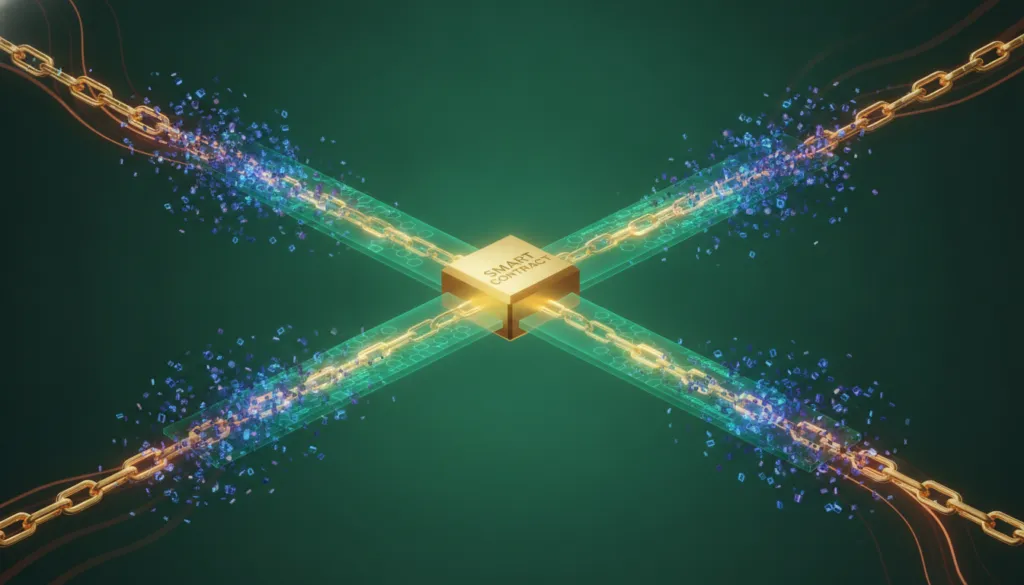
At heart, a smart contract is a set of rules: if a condition is met, then an action happens. If you send the right amount of crypto, then the tokens are released. Because the contract lives on a network like Ethereum, every computer can verify it ran correctly, and no party can change the outcome after the fact.
Why that matters
Normally, agreements rely on a trusted third party to hold funds and enforce terms. Smart contracts remove that middleman. Two strangers anywhere in the world can transact with confidence that the rules will execute as written — no paperwork, no waiting, no chance of one side reneging.
What they power
- DeFi: lending, borrowing and trading without a bank — see our DeFi guide
- NFTs: proving and transferring ownership of unique items, covered in What Are NFTs?
- Stablecoins, DAOs and token launches all run on smart-contract logic
The risks
Code does exactly what it says — including its bugs. A flaw in a smart contract can be exploited to drain funds, and because the blockchain is immutable, mistakes are hard to reverse. Reputable projects publish audits, but no audit is a guarantee. Treat unfamiliar contracts with caution and start small.
The bottom line
Smart contracts turn agreements into self-executing code, opening the door to finance and ownership without intermediaries. They are as powerful as they are unforgiving — the rules run no matter what, so understanding what you are interacting with matters. Build your foundations with What Is a Blockchain?