



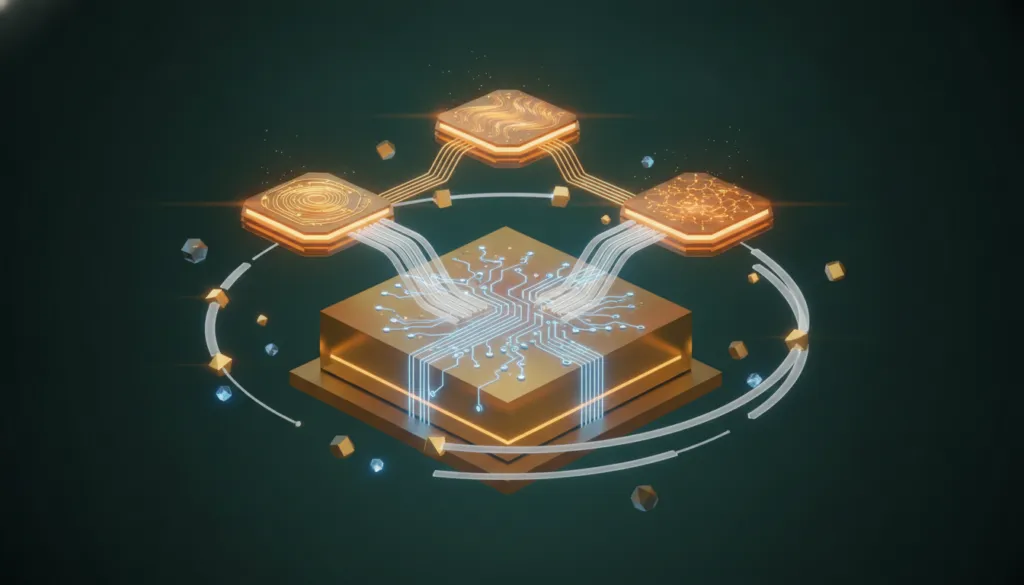
As Ethereum grew popular, it also grew expensive and slow at peak times. Layer 2 networks are the fix: separate chains that handle transactions cheaply and quickly, then settle back to Ethereum for security. Names like Arbitrum, Optimism, and Base are where a huge share of activity now happens.
The problem Layer 2 solves
Ethereum — the “Layer 1” — can only process so many transactions per block. When demand spikes, users bid up gas fees to get included, and simple actions can cost a small fortune. Layer 2s move the heavy lifting off the main chain while still inheriting its security. For why fees behave this way, see our guide on how crypto fees work.
How rollups work
Most leading Layer 2s are rollups. They execute many transactions off-chain, bundle (“roll up”) the results, and post a compressed proof back to Ethereum. You get the speed and low cost of a separate chain with the settlement guarantees of the main network underneath.
Arbitrum, Optimism, and Base
- Arbitrum: one of the largest rollups by activity and total value, with a deep DeFi ecosystem.
- Optimism: known for its “Superchain” vision and public-goods funding model.
- Base: incubated by Coinbase, built on Optimism’s technology, with fast mainstream growth.
All three dramatically cut fees compared with using Ethereum directly.
Follow the conversation
Arbitrum, a leading Layer 2 network, is one of the most-watched accounts in the space — a useful live feed for announcements and community reaction:
What to know before you bridge
To use a Layer 2 you move assets across a bridge, and bridges have historically been a target for exploits. Use official bridges, double-check addresses, and withdraw with the network’s standard process. The savings are real, but the moving-funds step is where caution pays off.
The bottom line
Layer 2 networks are how Ethereum scales to everyday use — faster confirmations and a fraction of the fees, secured by the main chain. Learn how each rollup works, bridge carefully, and you can transact for cents instead of dollars. Start with the basics in our glossary.